



%20copy.webp)






인스타그램 팔로우하기
아웃도어 기업 그 이상.

쏘이어프로덕트
Follow us on Instagram








It's not about sacrificing the joy of exploration but enhancing it by knowing that our adventures are as sustainable as they are exhilarating.
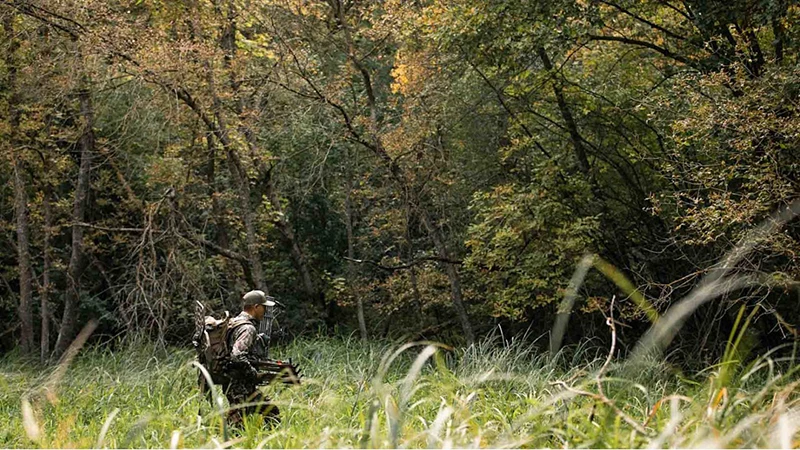
Watch videoIn the vast, open embrace of nature, where the air is fresher and the grass greener, it's easy to forget that our very presence in these pristine environments can leave a mark far less green. The good news? It's entirely possible to revel in the great outdoors while ensuring we minimize our carbon footprint and contribute to preserving these natural wonders for generations to come.

One of the most impactful steps you can take is to buy used or refurbished gear. Not only does this practice reduce the demand for new products (and the resources and emissions associated with their production), but it also extends the life of gear that might otherwise end up in a landfill. Sites like eBay, Facebook Marketplace, and OfferUp are treasure troves for finding everything from hiking boots to tents. Don't overlook REI's REsupply section either; it's a gold mine for giving gear a second life.
Checking local secondhand gear stores is also an amazing way to find great gear and support local businesses. It may take a while until you find what you are looking for, but the feeling of finding that piece of gear for pennies on the dollar is unbeatable. You help give that gear another chance, and you’re saving yourself some money along the way.

Proper care isn't just about ensuring your equipment is ready for your next adventure; it's about sustainability.
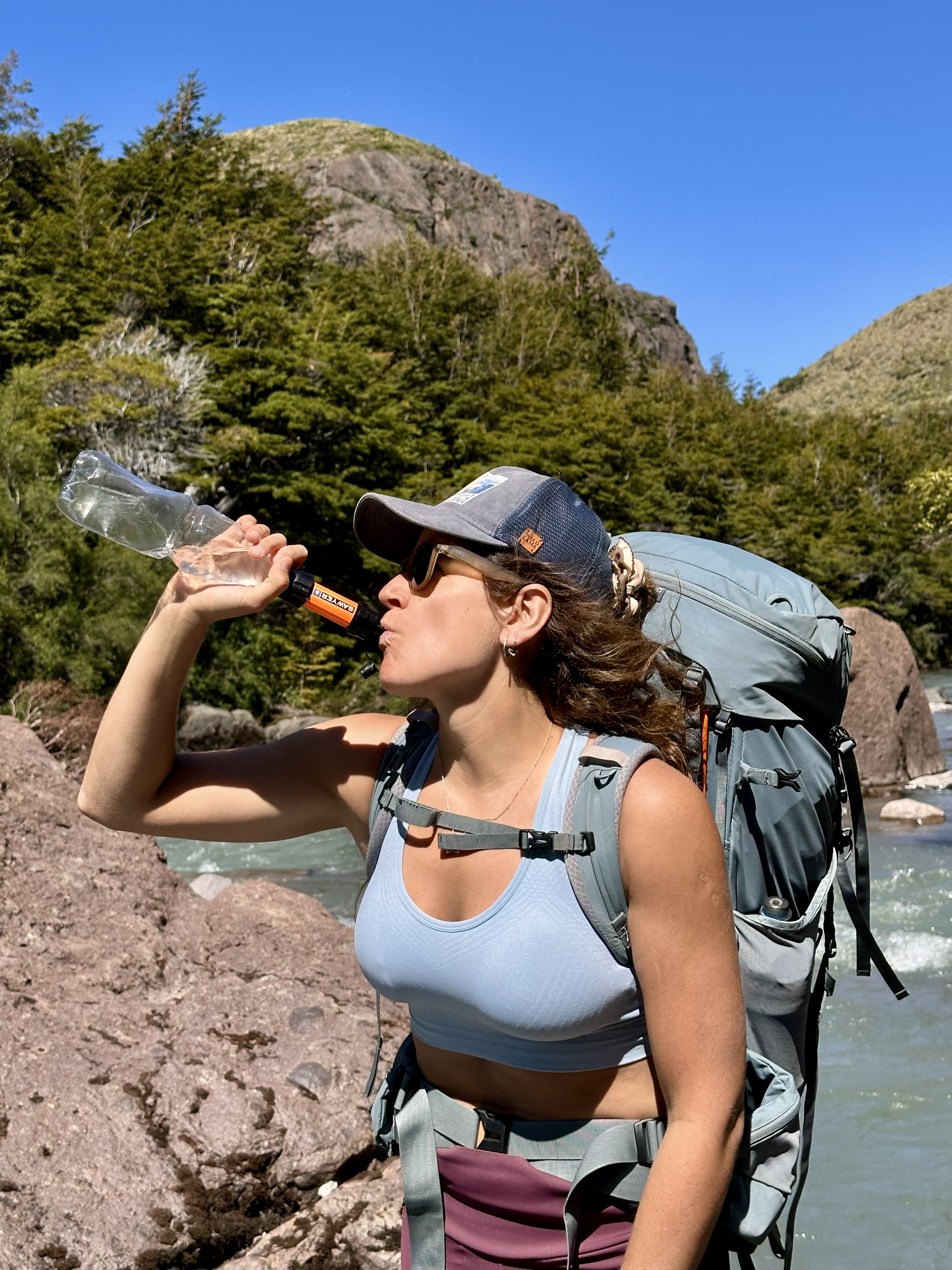
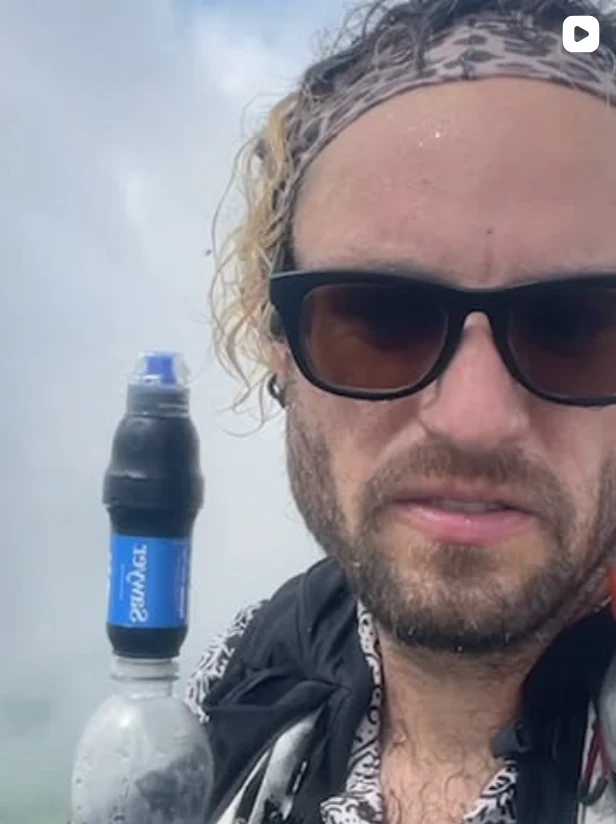
Take Sawyer water filters: with proper maintenance, this tiny but mighty tool can last a lifetime, saving countless plastic bottles from polluting the environment.
Learning how to repair and maintain your gear can significantly extend its lifespan, reduce waste, and save you money in the long run; as I would always hear growing up “Take care of your gear, so your gear can take care of you”.

However, sometimes the skill required for a particular repair may be out of your hands. Often, companies will offer a gear repair service for free or for a fee, all you have to do is ship it in. Additionally, looking into local businesses that offer repairs on clothing and gear is a quick and affordable option for maintaining your equipment.

Adhering to the Leave No Trace principles isn't just good practice; it's a responsibility. Leave No Trace follows simple guidelines that help to preserve outdoor spaces for generations to come. By following these rules, you are doing the world a service, enabling people to continue exploring the beauty of the outdoors. Ensuring to leave no trash behind, staying on trails, respecting wildlife and fire rules, etc. all help in the world's responsibility to maintain and protect our natural spaces.

Exploring locally not only unveils the hidden gems in your backyard but also significantly reduces your travel emissions. When adventure calls you further afield or with friends, consider carpooling, or opting for energy-efficient vehicles or EVs when possible. This approach not only cuts down on emissions but can also enhance the journey, making the travel part of the adventure.

In a market flooded with options, choosing where to spend your money can be a powerful statement.
Supporting local businesses and cottage gear manufacturers not only bolsters the local economy but often means investing in products that are made ethically and sustainably.
Many of these smaller operations take pride in their minimal waste production and reduced emissions. Before making a purchase, take the time to research your favorite companies' sustainability practices. Your support for businesses that align with your environmental values helps promote a greener industry.

Making informed choices about the gear you buy, how you travel, and even the companies you support can have a profound impact on your carbon footprint. It's not just about making less of an impact; it's about actively contributing to the preservation of the places we love. Whether it's choosing a pre-loved sleeping bag, repairing your old hiking boots, or opting for a local gear maker, every decision counts. As we venture into the wild, let's do so with mindfulness and respect for the natural world.
It's not about sacrificing the joy of exploration but enhancing it by knowing that our adventures are as sustainable as they are exhilarating.
Let this guide be your compass to greener paths, where the thrill of discovery walks hand in hand with the commitment to conservation. See you on the trail!


In the vast, open embrace of nature, where the air is fresher and the grass greener, it's easy to forget that our very presence in these pristine environments can leave a mark far less green. The good news? It's entirely possible to revel in the great outdoors while ensuring we minimize our carbon footprint and contribute to preserving these natural wonders for generations to come.
One of the most impactful steps you can take is to buy used or refurbished gear. Not only does this practice reduce the demand for new products (and the resources and emissions associated with their production), but it also extends the life of gear that might otherwise end up in a landfill. Sites like eBay, Facebook Marketplace, and OfferUp are treasure troves for finding everything from hiking boots to tents. Don't overlook REI's REsupply section either; it's a gold mine for giving gear a second life.
Checking local secondhand gear stores is also an amazing way to find great gear and support local businesses. It may take a while until you find what you are looking for, but the feeling of finding that piece of gear for pennies on the dollar is unbeatable. You help give that gear another chance, and you’re saving yourself some money along the way.
Proper care isn't just about ensuring your equipment is ready for your next adventure; it's about sustainability.
Take Sawyer water filters: with proper maintenance, this tiny but mighty tool can last a lifetime, saving countless plastic bottles from polluting the environment.
Learning how to repair and maintain your gear can significantly extend its lifespan, reduce waste, and save you money in the long run; as I would always hear growing up “Take care of your gear, so your gear can take care of you”.
However, sometimes the skill required for a particular repair may be out of your hands. Often, companies will offer a gear repair service for free or for a fee, all you have to do is ship it in. Additionally, looking into local businesses that offer repairs on clothing and gear is a quick and affordable option for maintaining your equipment.
Adhering to the Leave No Trace principles isn't just good practice; it's a responsibility. Leave No Trace follows simple guidelines that help to preserve outdoor spaces for generations to come. By following these rules, you are doing the world a service, enabling people to continue exploring the beauty of the outdoors. Ensuring to leave no trash behind, staying on trails, respecting wildlife and fire rules, etc. all help in the world's responsibility to maintain and protect our natural spaces.
Exploring locally not only unveils the hidden gems in your backyard but also significantly reduces your travel emissions. When adventure calls you further afield or with friends, consider carpooling, or opting for energy-efficient vehicles or EVs when possible. This approach not only cuts down on emissions but can also enhance the journey, making the travel part of the adventure.
In a market flooded with options, choosing where to spend your money can be a powerful statement.
Supporting local businesses and cottage gear manufacturers not only bolsters the local economy but often means investing in products that are made ethically and sustainably.
Many of these smaller operations take pride in their minimal waste production and reduced emissions. Before making a purchase, take the time to research your favorite companies' sustainability practices. Your support for businesses that align with your environmental values helps promote a greener industry.
Making informed choices about the gear you buy, how you travel, and even the companies you support can have a profound impact on your carbon footprint. It's not just about making less of an impact; it's about actively contributing to the preservation of the places we love. Whether it's choosing a pre-loved sleeping bag, repairing your old hiking boots, or opting for a local gear maker, every decision counts. As we venture into the wild, let's do so with mindfulness and respect for the natural world.
It's not about sacrificing the joy of exploration but enhancing it by knowing that our adventures are as sustainable as they are exhilarating.
Let this guide be your compass to greener paths, where the thrill of discovery walks hand in hand with the commitment to conservation. See you on the trail!
In the vast, open embrace of nature, where the air is fresher and the grass greener, it's easy to forget that our very presence in these pristine environments can leave a mark far less green. The good news? It's entirely possible to revel in the great outdoors while ensuring we minimize our carbon footprint and contribute to preserving these natural wonders for generations to come.
One of the most impactful steps you can take is to buy used or refurbished gear. Not only does this practice reduce the demand for new products (and the resources and emissions associated with their production), but it also extends the life of gear that might otherwise end up in a landfill. Sites like eBay, Facebook Marketplace, and OfferUp are treasure troves for finding everything from hiking boots to tents. Don't overlook REI's REsupply section either; it's a gold mine for giving gear a second life.
Checking local secondhand gear stores is also an amazing way to find great gear and support local businesses. It may take a while until you find what you are looking for, but the feeling of finding that piece of gear for pennies on the dollar is unbeatable. You help give that gear another chance, and you’re saving yourself some money along the way.
Proper care isn't just about ensuring your equipment is ready for your next adventure; it's about sustainability.
Take Sawyer water filters: with proper maintenance, this tiny but mighty tool can last a lifetime, saving countless plastic bottles from polluting the environment.
Learning how to repair and maintain your gear can significantly extend its lifespan, reduce waste, and save you money in the long run; as I would always hear growing up “Take care of your gear, so your gear can take care of you”.
However, sometimes the skill required for a particular repair may be out of your hands. Often, companies will offer a gear repair service for free or for a fee, all you have to do is ship it in. Additionally, looking into local businesses that offer repairs on clothing and gear is a quick and affordable option for maintaining your equipment.
Adhering to the Leave No Trace principles isn't just good practice; it's a responsibility. Leave No Trace follows simple guidelines that help to preserve outdoor spaces for generations to come. By following these rules, you are doing the world a service, enabling people to continue exploring the beauty of the outdoors. Ensuring to leave no trash behind, staying on trails, respecting wildlife and fire rules, etc. all help in the world's responsibility to maintain and protect our natural spaces.
Exploring locally not only unveils the hidden gems in your backyard but also significantly reduces your travel emissions. When adventure calls you further afield or with friends, consider carpooling, or opting for energy-efficient vehicles or EVs when possible. This approach not only cuts down on emissions but can also enhance the journey, making the travel part of the adventure.
In a market flooded with options, choosing where to spend your money can be a powerful statement.
Supporting local businesses and cottage gear manufacturers not only bolsters the local economy but often means investing in products that are made ethically and sustainably.
Many of these smaller operations take pride in their minimal waste production and reduced emissions. Before making a purchase, take the time to research your favorite companies' sustainability practices. Your support for businesses that align with your environmental values helps promote a greener industry.
Making informed choices about the gear you buy, how you travel, and even the companies you support can have a profound impact on your carbon footprint. It's not just about making less of an impact; it's about actively contributing to the preservation of the places we love. Whether it's choosing a pre-loved sleeping bag, repairing your old hiking boots, or opting for a local gear maker, every decision counts. As we venture into the wild, let's do so with mindfulness and respect for the natural world.
It's not about sacrificing the joy of exploration but enhancing it by knowing that our adventures are as sustainable as they are exhilarating.
Let this guide be your compass to greener paths, where the thrill of discovery walks hand in hand with the commitment to conservation. See you on the trail!
아웃도어 기업 그 이상.

