


%20copy.webp)

인스타그램 팔로우하기
아웃도어 기업 그 이상.

쏘이어프로덕트
Follow us on Instagram

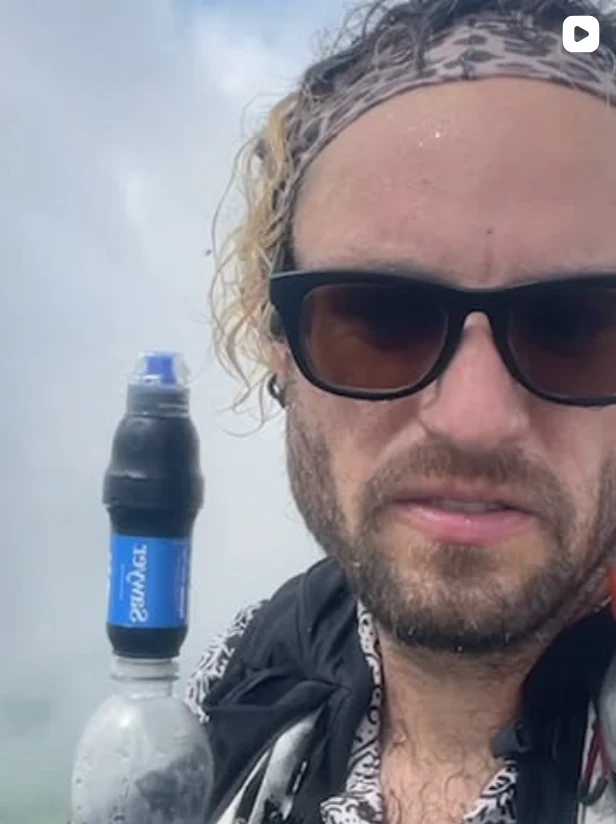


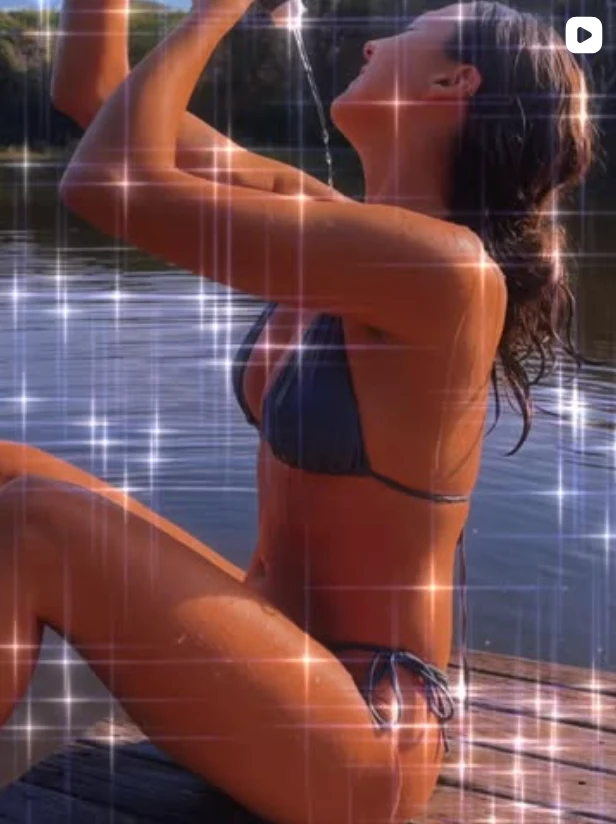
In the tropics, a water filter isn’t a luxury—it’s the tool that gives you the freedom to explore without limits.
Watch videoMexico is a huge country—almost the size of half of Europe. Many people picture it as mostly desert, but it is also home to dense, impenetrable jungles. On the eastern coast, along the Gulf of Mexico, lies the state of Veracruz. In that region there’s an area called Los Tuxtlas, where volcanoes meet the sea. In a way, you could almost describe it as a small version of Hawaii.
This story comes from a segment of my bicycle journey through that region, where I faced one of the worst recorded heat waves ever to hit the area.
Temperatures soared above 40°C (104°F) and humidity sat around 90%, and was the kind that soaks your entire body the moment you stop moving.
When you travel by bicycle in a self-supported way, weight and space are your biggest limitations. Everything you carry has to strike a balance between what you need and what you actually use, because in the end it all translates into energy consumption, recovery, and rest.
By the time I reached this region, I had already crossed several other Mexican states, and I knew I couldn’t carry too much.
My maximum water capacity is 3 liters—but in an environment this extreme, that’s almost nothing.
On this route, my body needed close to 10 liters of water per day: about 5 liters just to stay hydrated while pedaling under the sun (it sounds exaggerated, but it’s real), another 2 liters for cooking meals like oatmeal or pasta, and about 3 more to get through the night and still have something to drink at sunrise. Carrying 10 kilos of water up jungle climbs is simply impossible, so my portable water filter became the only guarantee that I could keep moving forward.
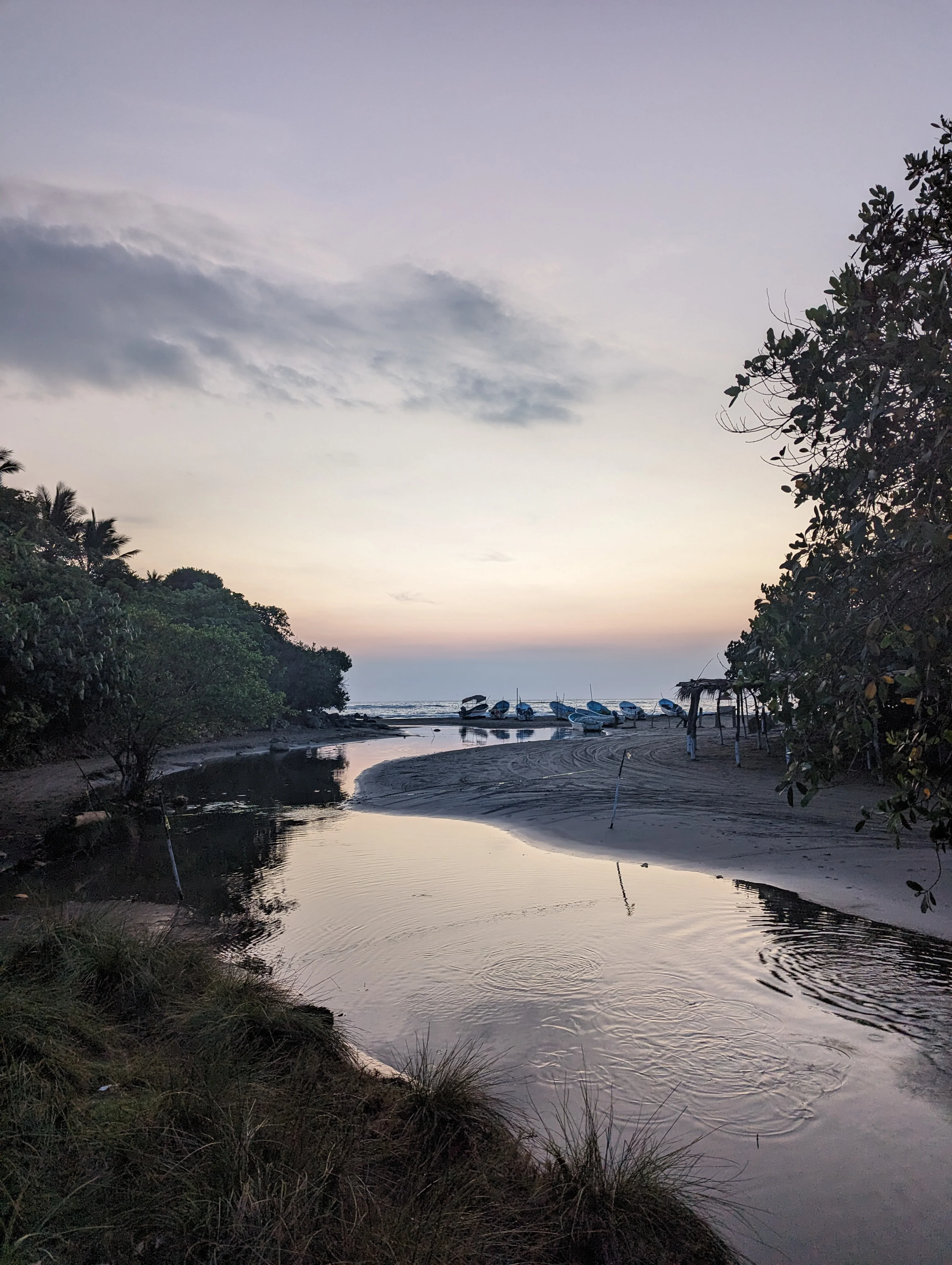
The first stretch of the ride was toward Roca Partida. Even though the sky was cloudy, the humidity was unbearable. I reached a small area called Arroyo de Lisa and camped under a palapa facing the ocean. In remote villages like these in Mexico, ATMs don’t exist and stores are almost nonexistent.
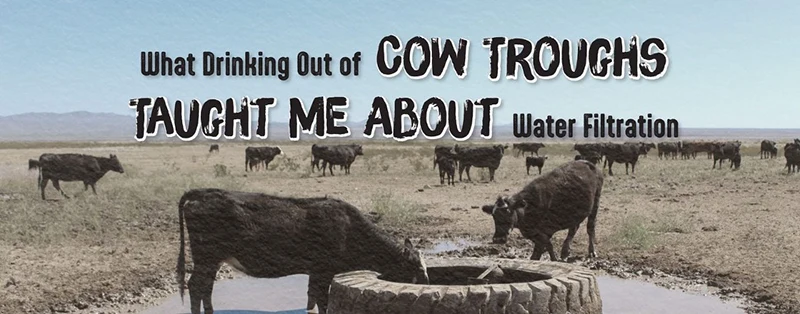
There was a freshwater river just a few meters away. The water looked clean, but this region has a lot of cattle ranching—I even remember sharing the road with a cow at one point. Cows tend to gather near streams, which means the water can carry dangerous bacteria.
Thanks to my filter, I was able to fill my bottles and cook dinner without spending my limited cash and without worrying about getting sick in the middle of nowhere.
On the second day, the sun came out with incredible intensity. The temperature climbed to 42°C (108°F). My routine became simple: ride about 10 kilometers, and whenever I found a stream, I would jump into the water fully clothed just to cool my body down.
Local people told me to drink straight from the streams, but seeing cattle nearby, I preferred not to take the risk. I filtered water at every stop, and that’s how I managed to reach Barra de Sontecomapan.
Having fresh, safe water allowed me to keep moving even though the air itself felt like an oven.
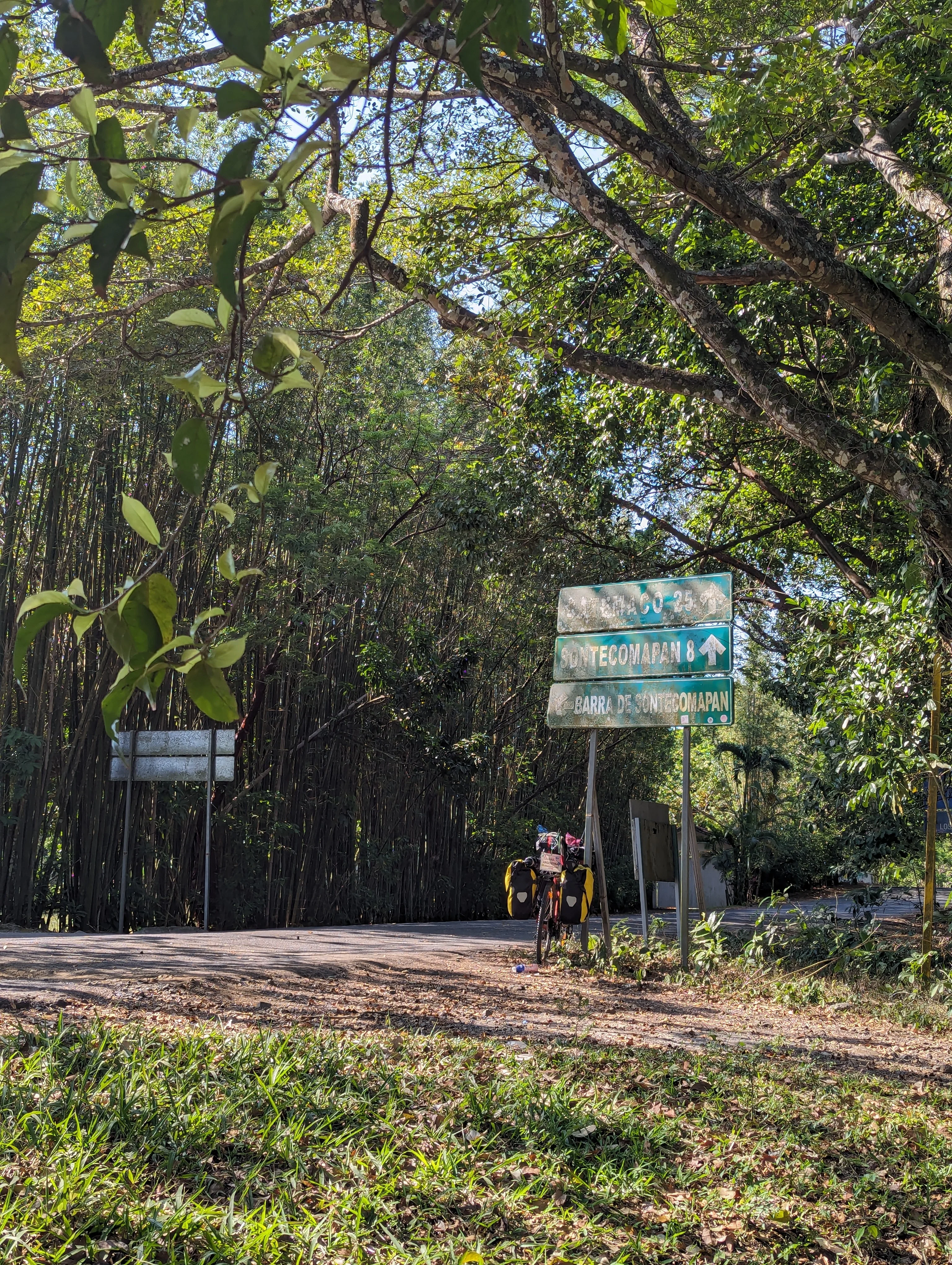
The third day was the hardest: the climb toward the town of Catemaco. I started the ascent at 11 in the morning, with almost no shade along the road. My 3 liters of water were gone before I even reached the halfway point. At a fork in the road, one path led directly to my destination, Catemaco. The other led to a natural mineral spring—but it meant riding 15 kilometers there and another 15 back.
Almost out of strength and with my mouth completely dry, I turned toward the spring in the mountains.
When I arrived, there was a small religious altar and a hose running straight from the hillside. Water flowed directly from the mountain.
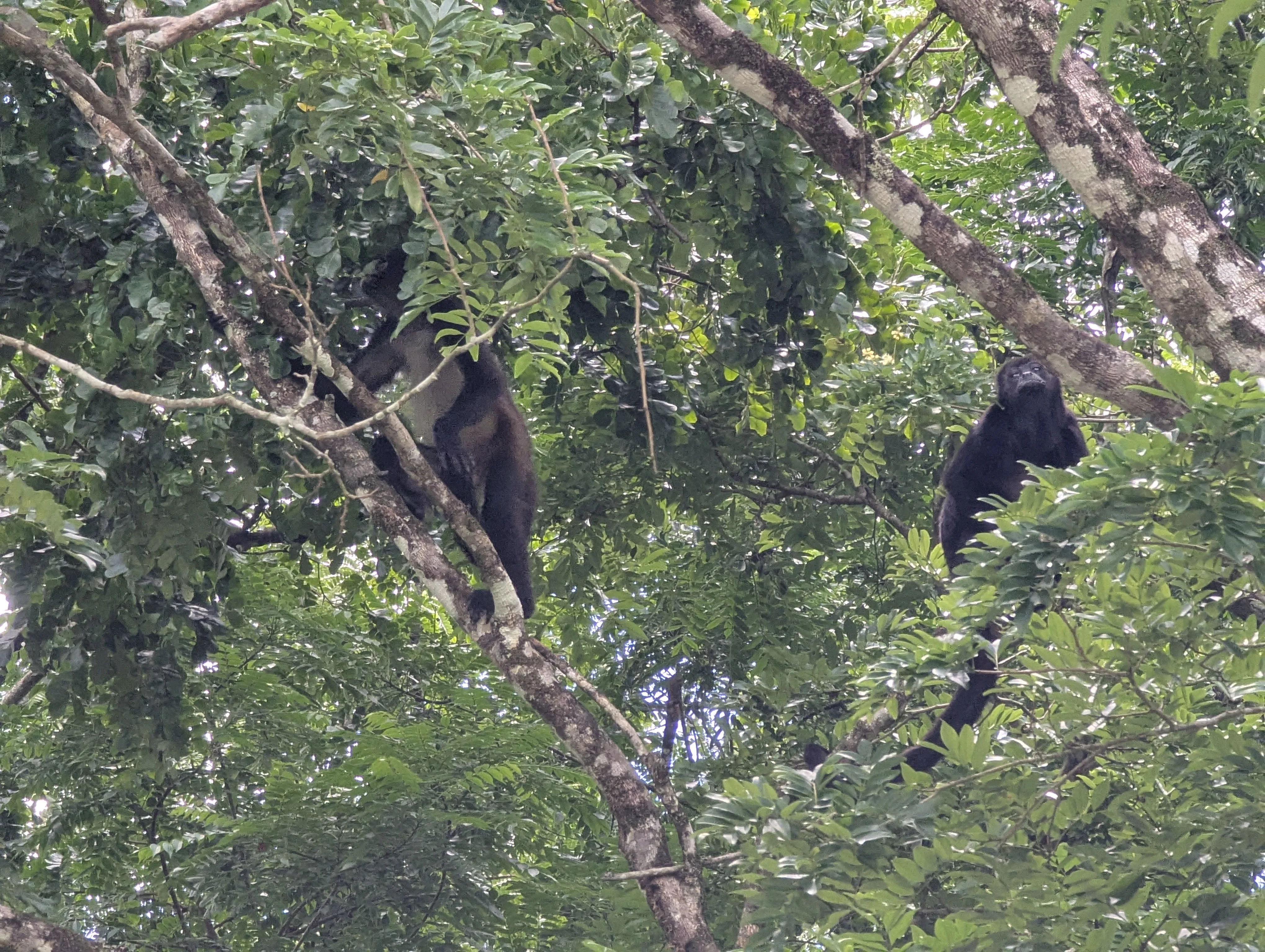
I stayed there for nearly an hour, drinking close to 4 liters. The taste was incredible—like the mineral water you buy at a store, but without the carbonation. It felt like I was replacing every mineral I had lost through sweat. With my bottles finally full again, I finished the climb while hearing howler monkeys echoing through the trees, eventually reaching a safe place to sleep in the town of Catemaco.
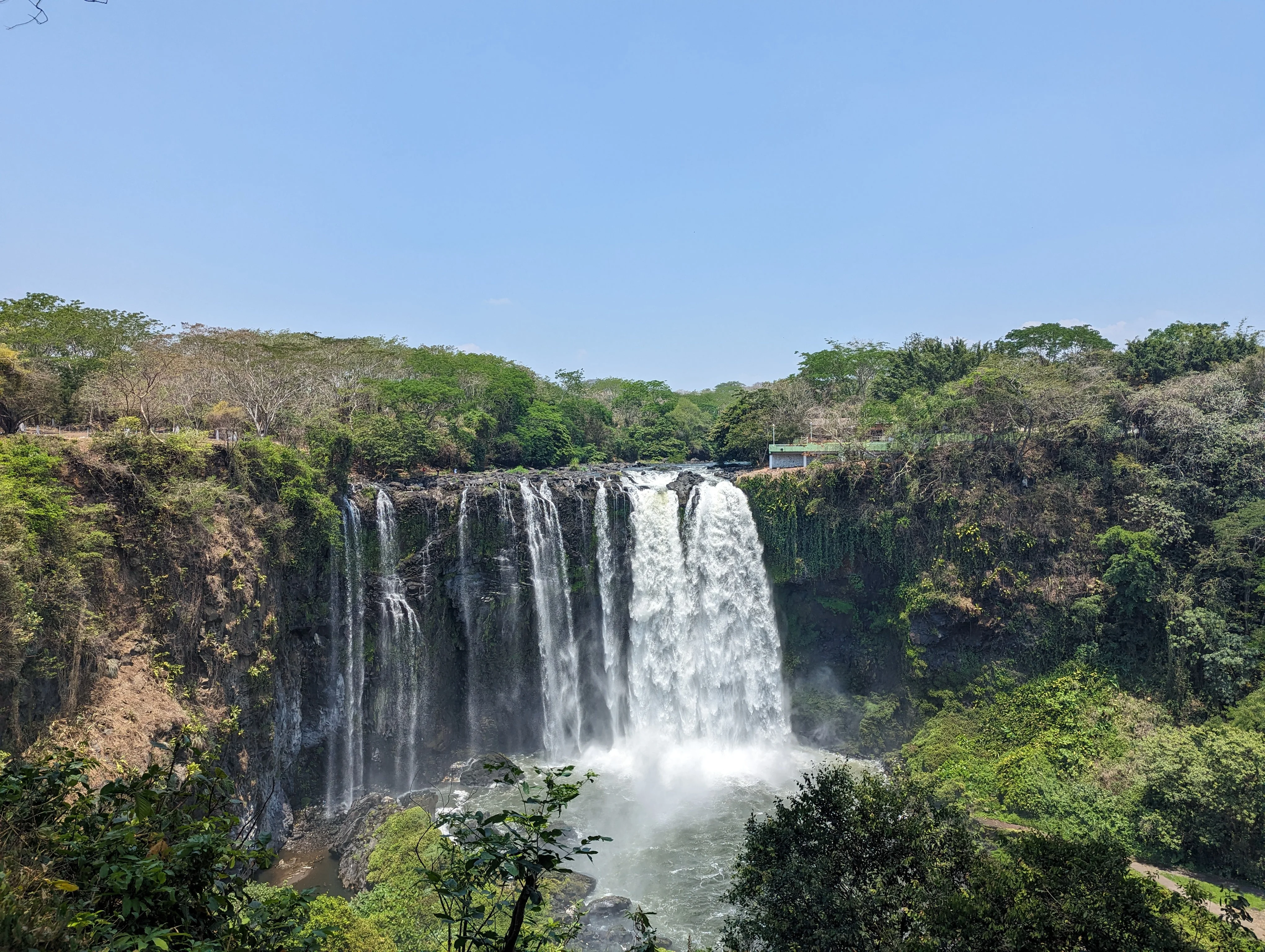
The next day I left Catemaco and completed this stage of the journey in Santiago Tuxtla, after stopping at the impressive Salto de Eyipantla waterfall. To reach it, I had to follow a dirt road that practically made my bicycle boil in the heat.
The best part was that once I reached the river at the base of the waterfall, I could cool down, take photos, and refill every bottle I had.
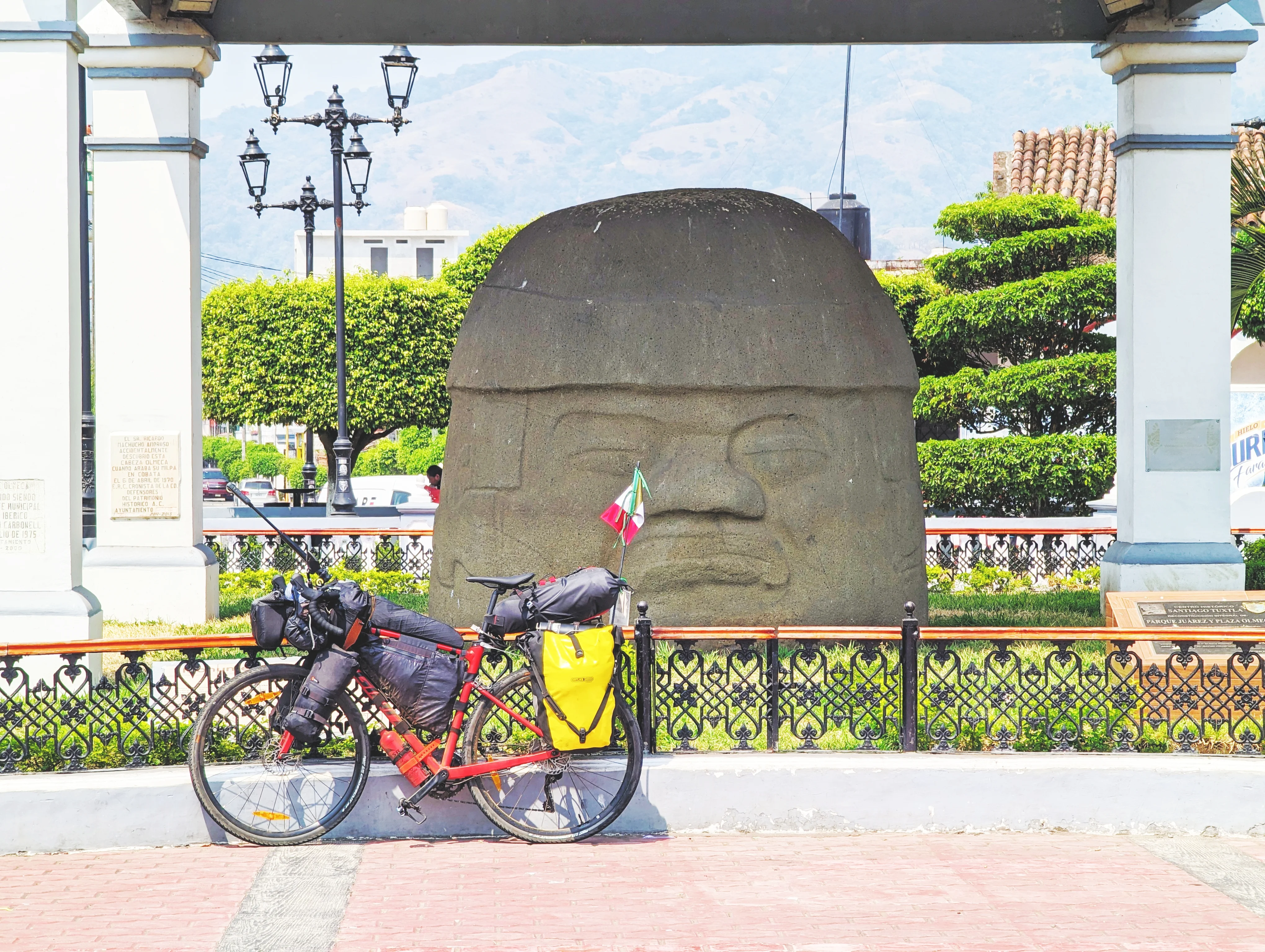
Later, in the main square of Santiago Tuxtla, I saw something remarkable: a giant stone head more than 1,500 years old, carved by the Olmecs—the oldest known civilization in Mexico. Standing in front of that massive sculpture made me respect this land even more. Los Tuxtlas is beautiful, but it doesn’t forgive mistakes.
My journey continued after that, but I carried an important lesson with me: in the tropics, a water filter isn’t a luxury—it’s the tool that gives you the freedom to explore without limits.

Mexico is a huge country—almost the size of half of Europe. Many people picture it as mostly desert, but it is also home to dense, impenetrable jungles. On the eastern coast, along the Gulf of Mexico, lies the state of Veracruz. In that region there’s an area called Los Tuxtlas, where volcanoes meet the sea. In a way, you could almost describe it as a small version of Hawaii.
This story comes from a segment of my bicycle journey through that region, where I faced one of the worst recorded heat waves ever to hit the area.
Temperatures soared above 40°C (104°F) and humidity sat around 90%, and was the kind that soaks your entire body the moment you stop moving.
When you travel by bicycle in a self-supported way, weight and space are your biggest limitations. Everything you carry has to strike a balance between what you need and what you actually use, because in the end it all translates into energy consumption, recovery, and rest.
By the time I reached this region, I had already crossed several other Mexican states, and I knew I couldn’t carry too much.
My maximum water capacity is 3 liters—but in an environment this extreme, that’s almost nothing.
On this route, my body needed close to 10 liters of water per day: about 5 liters just to stay hydrated while pedaling under the sun (it sounds exaggerated, but it’s real), another 2 liters for cooking meals like oatmeal or pasta, and about 3 more to get through the night and still have something to drink at sunrise. Carrying 10 kilos of water up jungle climbs is simply impossible, so my portable water filter became the only guarantee that I could keep moving forward.
The first stretch of the ride was toward Roca Partida. Even though the sky was cloudy, the humidity was unbearable. I reached a small area called Arroyo de Lisa and camped under a palapa facing the ocean. In remote villages like these in Mexico, ATMs don’t exist and stores are almost nonexistent.
There was a freshwater river just a few meters away. The water looked clean, but this region has a lot of cattle ranching—I even remember sharing the road with a cow at one point. Cows tend to gather near streams, which means the water can carry dangerous bacteria.
Thanks to my filter, I was able to fill my bottles and cook dinner without spending my limited cash and without worrying about getting sick in the middle of nowhere.
On the second day, the sun came out with incredible intensity. The temperature climbed to 42°C (108°F). My routine became simple: ride about 10 kilometers, and whenever I found a stream, I would jump into the water fully clothed just to cool my body down.
Local people told me to drink straight from the streams, but seeing cattle nearby, I preferred not to take the risk. I filtered water at every stop, and that’s how I managed to reach Barra de Sontecomapan.
Having fresh, safe water allowed me to keep moving even though the air itself felt like an oven.
The third day was the hardest: the climb toward the town of Catemaco. I started the ascent at 11 in the morning, with almost no shade along the road. My 3 liters of water were gone before I even reached the halfway point. At a fork in the road, one path led directly to my destination, Catemaco. The other led to a natural mineral spring—but it meant riding 15 kilometers there and another 15 back.
Almost out of strength and with my mouth completely dry, I turned toward the spring in the mountains.
When I arrived, there was a small religious altar and a hose running straight from the hillside. Water flowed directly from the mountain.
I stayed there for nearly an hour, drinking close to 4 liters. The taste was incredible—like the mineral water you buy at a store, but without the carbonation. It felt like I was replacing every mineral I had lost through sweat. With my bottles finally full again, I finished the climb while hearing howler monkeys echoing through the trees, eventually reaching a safe place to sleep in the town of Catemaco.
The next day I left Catemaco and completed this stage of the journey in Santiago Tuxtla, after stopping at the impressive Salto de Eyipantla waterfall. To reach it, I had to follow a dirt road that practically made my bicycle boil in the heat.
The best part was that once I reached the river at the base of the waterfall, I could cool down, take photos, and refill every bottle I had.
Later, in the main square of Santiago Tuxtla, I saw something remarkable: a giant stone head more than 1,500 years old, carved by the Olmecs—the oldest known civilization in Mexico. Standing in front of that massive sculpture made me respect this land even more. Los Tuxtlas is beautiful, but it doesn’t forgive mistakes.
My journey continued after that, but I carried an important lesson with me: in the tropics, a water filter isn’t a luxury—it’s the tool that gives you the freedom to explore without limits.
Mexico is a huge country—almost the size of half of Europe. Many people picture it as mostly desert, but it is also home to dense, impenetrable jungles. On the eastern coast, along the Gulf of Mexico, lies the state of Veracruz. In that region there’s an area called Los Tuxtlas, where volcanoes meet the sea. In a way, you could almost describe it as a small version of Hawaii.
This story comes from a segment of my bicycle journey through that region, where I faced one of the worst recorded heat waves ever to hit the area.
Temperatures soared above 40°C (104°F) and humidity sat around 90%, and was the kind that soaks your entire body the moment you stop moving.
When you travel by bicycle in a self-supported way, weight and space are your biggest limitations. Everything you carry has to strike a balance between what you need and what you actually use, because in the end it all translates into energy consumption, recovery, and rest.
By the time I reached this region, I had already crossed several other Mexican states, and I knew I couldn’t carry too much.
My maximum water capacity is 3 liters—but in an environment this extreme, that’s almost nothing.
On this route, my body needed close to 10 liters of water per day: about 5 liters just to stay hydrated while pedaling under the sun (it sounds exaggerated, but it’s real), another 2 liters for cooking meals like oatmeal or pasta, and about 3 more to get through the night and still have something to drink at sunrise. Carrying 10 kilos of water up jungle climbs is simply impossible, so my portable water filter became the only guarantee that I could keep moving forward.
The first stretch of the ride was toward Roca Partida. Even though the sky was cloudy, the humidity was unbearable. I reached a small area called Arroyo de Lisa and camped under a palapa facing the ocean. In remote villages like these in Mexico, ATMs don’t exist and stores are almost nonexistent.
There was a freshwater river just a few meters away. The water looked clean, but this region has a lot of cattle ranching—I even remember sharing the road with a cow at one point. Cows tend to gather near streams, which means the water can carry dangerous bacteria.
Thanks to my filter, I was able to fill my bottles and cook dinner without spending my limited cash and without worrying about getting sick in the middle of nowhere.
On the second day, the sun came out with incredible intensity. The temperature climbed to 42°C (108°F). My routine became simple: ride about 10 kilometers, and whenever I found a stream, I would jump into the water fully clothed just to cool my body down.
Local people told me to drink straight from the streams, but seeing cattle nearby, I preferred not to take the risk. I filtered water at every stop, and that’s how I managed to reach Barra de Sontecomapan.
Having fresh, safe water allowed me to keep moving even though the air itself felt like an oven.
The third day was the hardest: the climb toward the town of Catemaco. I started the ascent at 11 in the morning, with almost no shade along the road. My 3 liters of water were gone before I even reached the halfway point. At a fork in the road, one path led directly to my destination, Catemaco. The other led to a natural mineral spring—but it meant riding 15 kilometers there and another 15 back.
Almost out of strength and with my mouth completely dry, I turned toward the spring in the mountains.
When I arrived, there was a small religious altar and a hose running straight from the hillside. Water flowed directly from the mountain.
I stayed there for nearly an hour, drinking close to 4 liters. The taste was incredible—like the mineral water you buy at a store, but without the carbonation. It felt like I was replacing every mineral I had lost through sweat. With my bottles finally full again, I finished the climb while hearing howler monkeys echoing through the trees, eventually reaching a safe place to sleep in the town of Catemaco.
The next day I left Catemaco and completed this stage of the journey in Santiago Tuxtla, after stopping at the impressive Salto de Eyipantla waterfall. To reach it, I had to follow a dirt road that practically made my bicycle boil in the heat.
The best part was that once I reached the river at the base of the waterfall, I could cool down, take photos, and refill every bottle I had.
Later, in the main square of Santiago Tuxtla, I saw something remarkable: a giant stone head more than 1,500 years old, carved by the Olmecs—the oldest known civilization in Mexico. Standing in front of that massive sculpture made me respect this land even more. Los Tuxtlas is beautiful, but it doesn’t forgive mistakes.
My journey continued after that, but I carried an important lesson with me: in the tropics, a water filter isn’t a luxury—it’s the tool that gives you the freedom to explore without limits.
아웃도어 기업 그 이상.

