


%20copy.webp)



인스타그램 팔로우하기
아웃도어 기업 그 이상.

쏘이어프로덕트
Follow us on Instagram
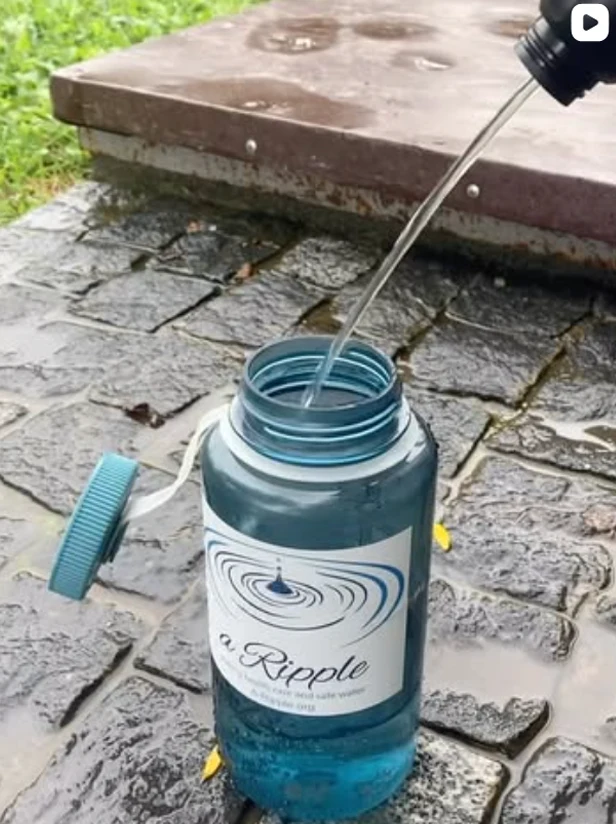

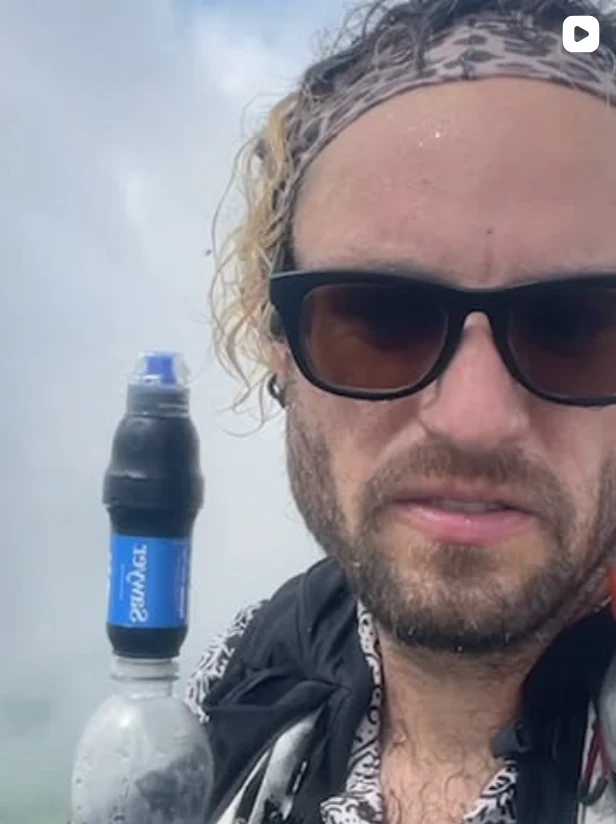



See what gear changed the game for Maria and her sister on their trek through the mountains of Patagonia.
Watch videoOn January 16th, 2026, I began a new expedition with my sister through Southern Chile's Patagonia region. The year before, we had explored the northern region together. This time, our challenge was different: the Las Horquetas traverse in Cerro Castillo National Park and several remote trails in Patagonia National Park. Both routes required carrying everything on our backs for some days.
No refuge, no shortcuts: just us, our gear, and the terrain ahead.
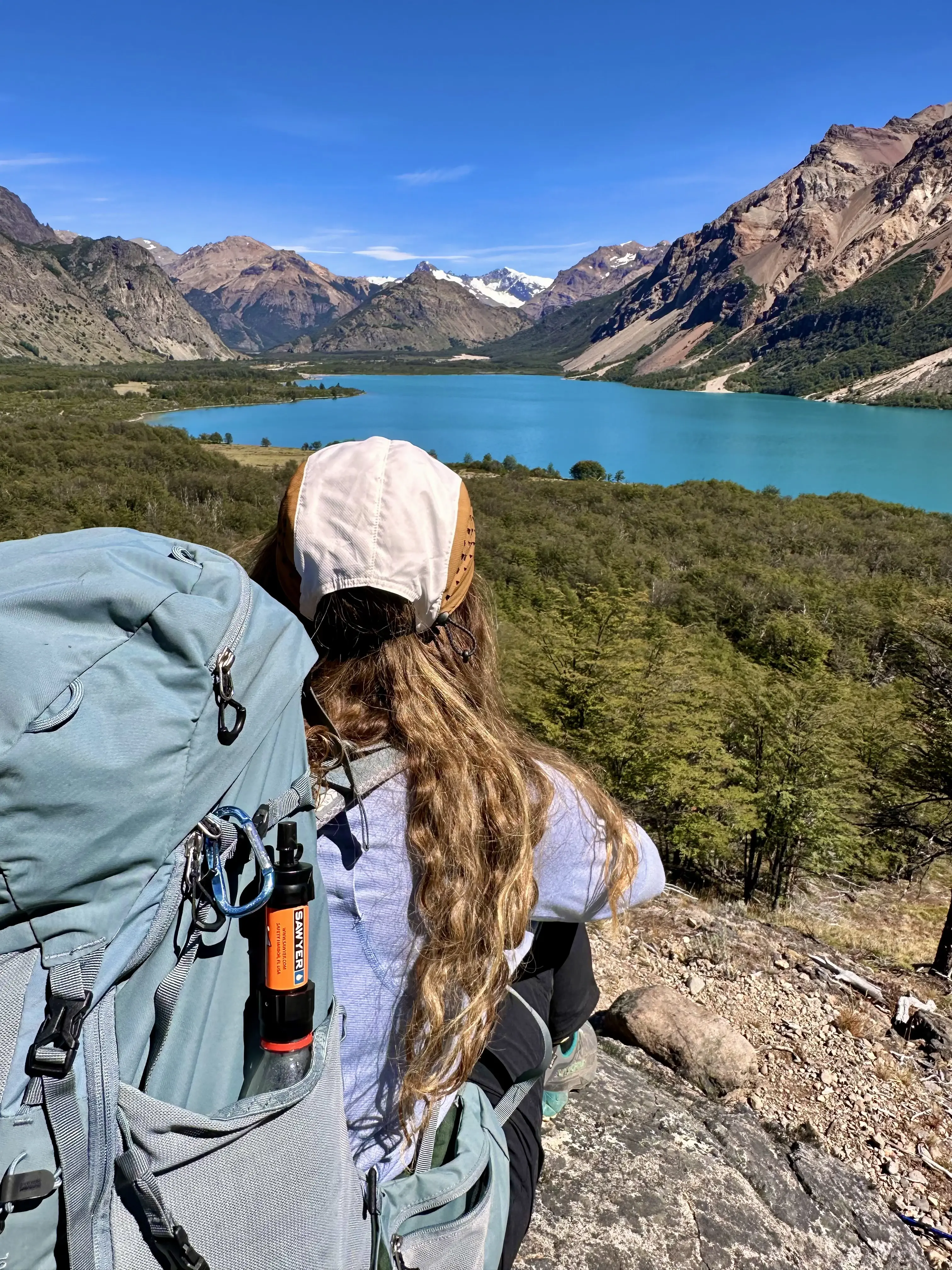
When you commit to multi-day trekking in Patagonia, weight becomes an obsession. I weighed every pound I packed. Because when you climb steep passes or descend loose scree for hours, even small excess weight becomes noticeable and exhausting over time.
Shelter, sleeping bag, food, stove, and layers for unpredictable weather — each item had to justify its place.
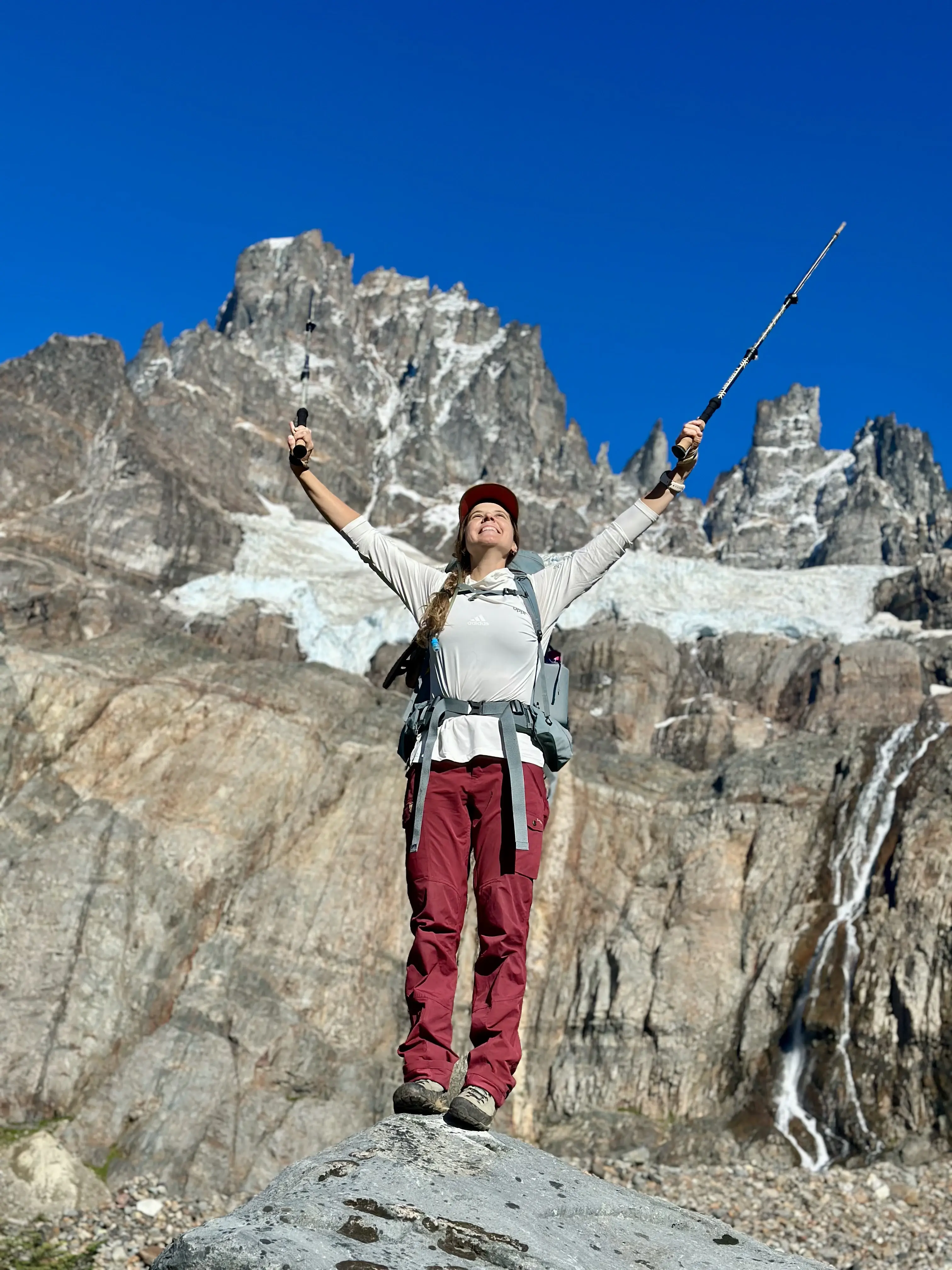
In December, I had walked 75 kilometers in Torres del Paine National Park without a water filter. That decision cost me time and energy. Every afternoon, already exhausted, I had to collect river water, boil it, wait for it to cool, and then refill my hydration system for the next day. Sometimes that meant descending from camp back to a river and climbing up again. It was draining physically and mentally.
This year, I refused to repeat that mistake. I brought a Sawyer water filter from the very beginning.
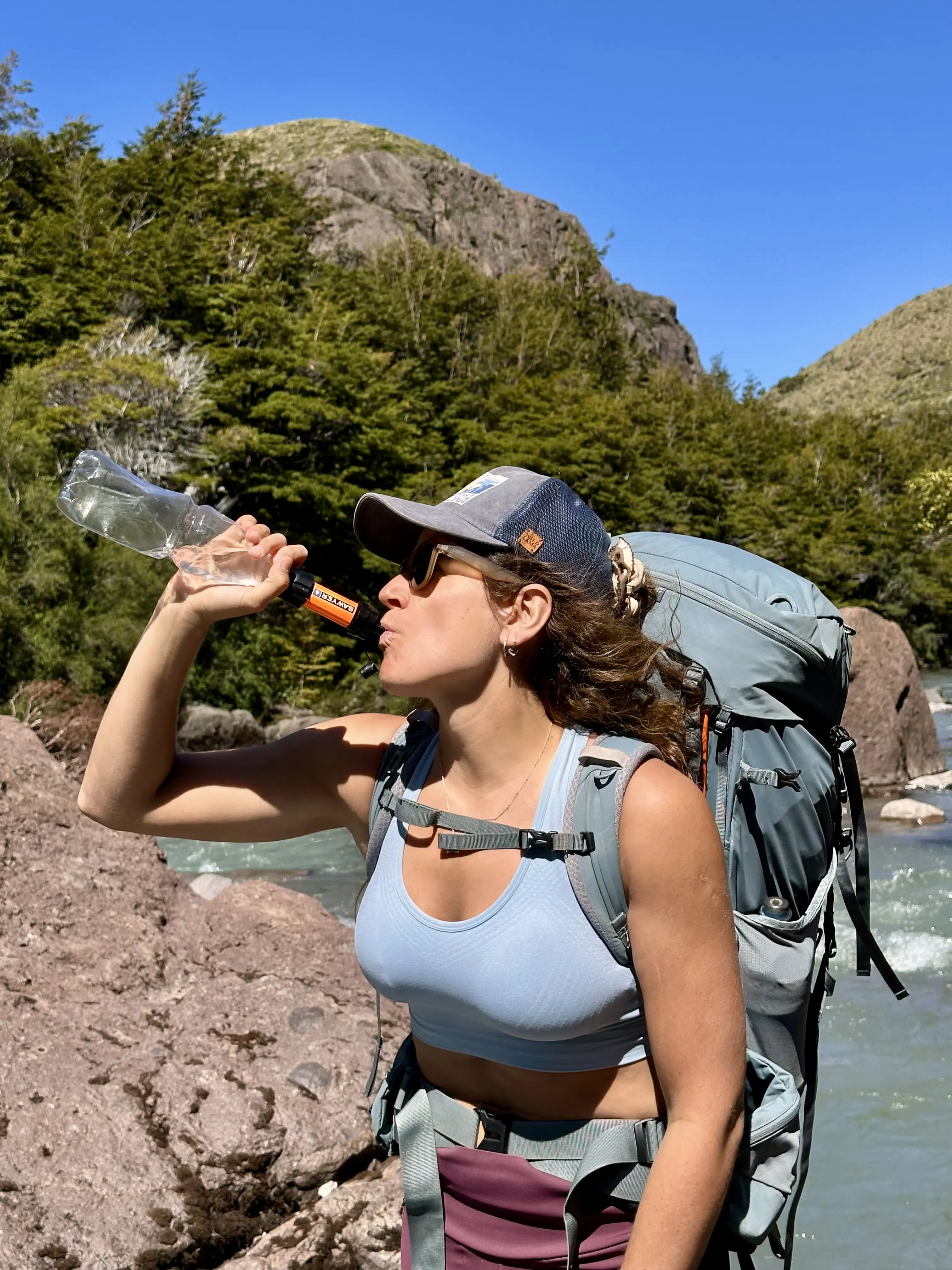
Patagonia is full of water. Glacial rivers flow in impossible shades of turquoise. Streams cross the trail constantly. Lakes reflect granite peaks like mirrors. At first glance, it feels like the purest place on earth.
But clarity is not the same as safety.
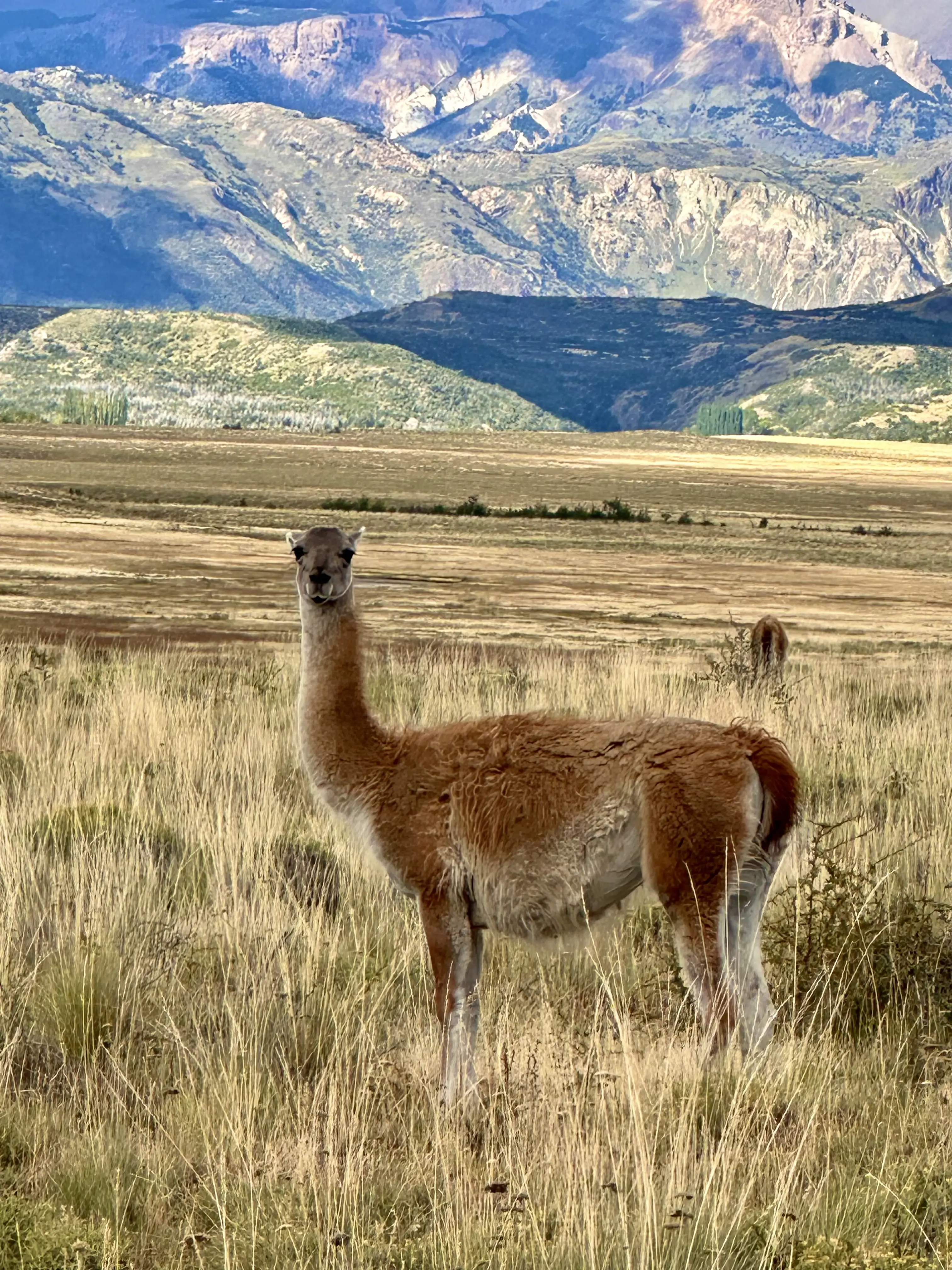
Glacial erosion carries fine sediment and minerals. Wildlife moves freely upstream. On some sections of the Las Horquetas trail, rodents are common near campsites. Animal contamination, even in remote areas, is real. Drinking untreated water in isolated terrain is a risk I am not willing to take (I am not sure if this part should go or not). Getting sick there would not just ruin the experience; it could become a serious logistical problem.
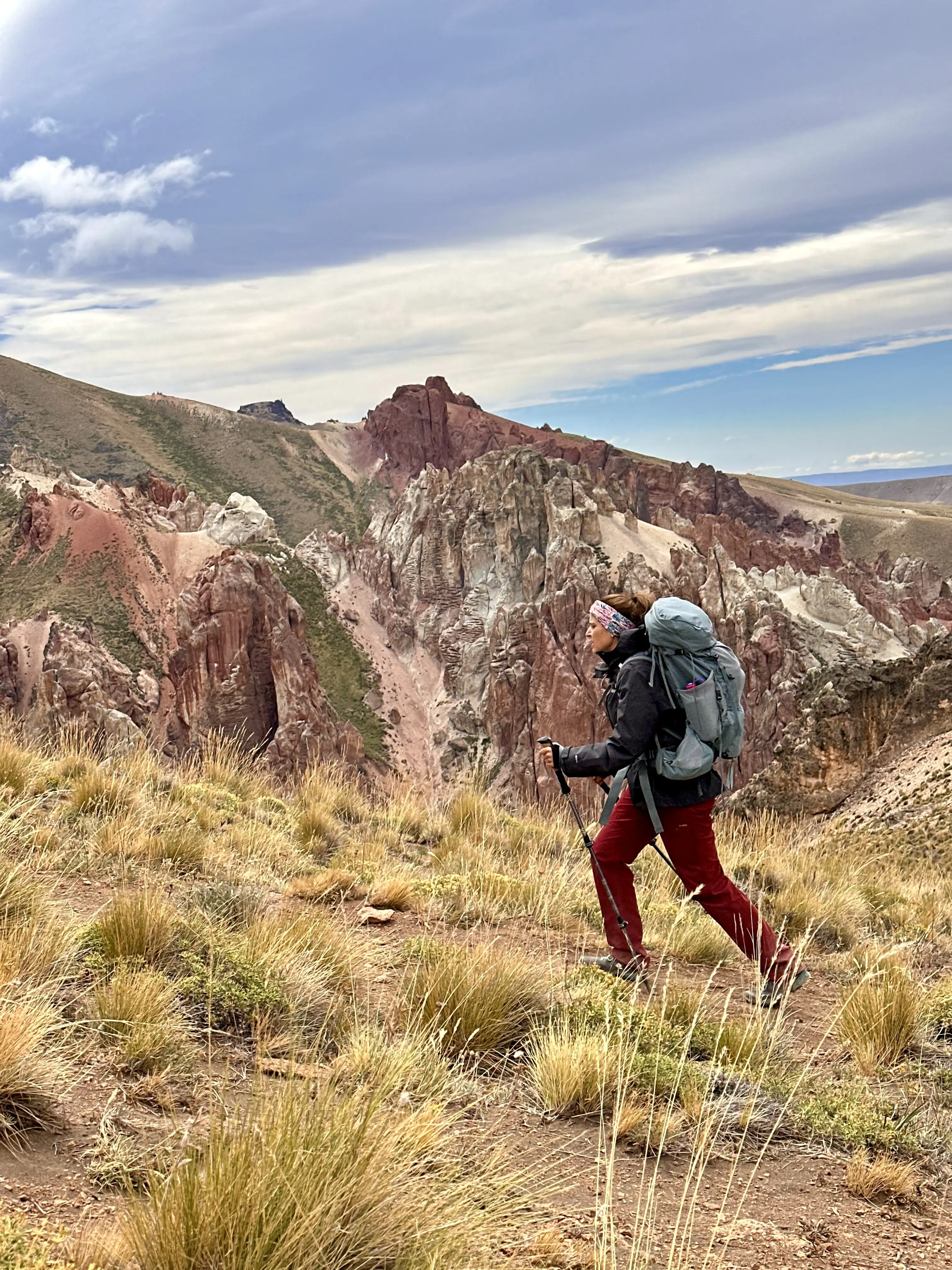
Before leaving, I always study the route carefully and identify water access points along the trail. When you don’t carry a filter, you are forced to start each day with multiple liters already in your pack. That extra weight strains your knees, hips, and lower back, especially during long ascents.
With a filter, everything changes.
You can walk lighter and refill when needed; that freedom was transformative.
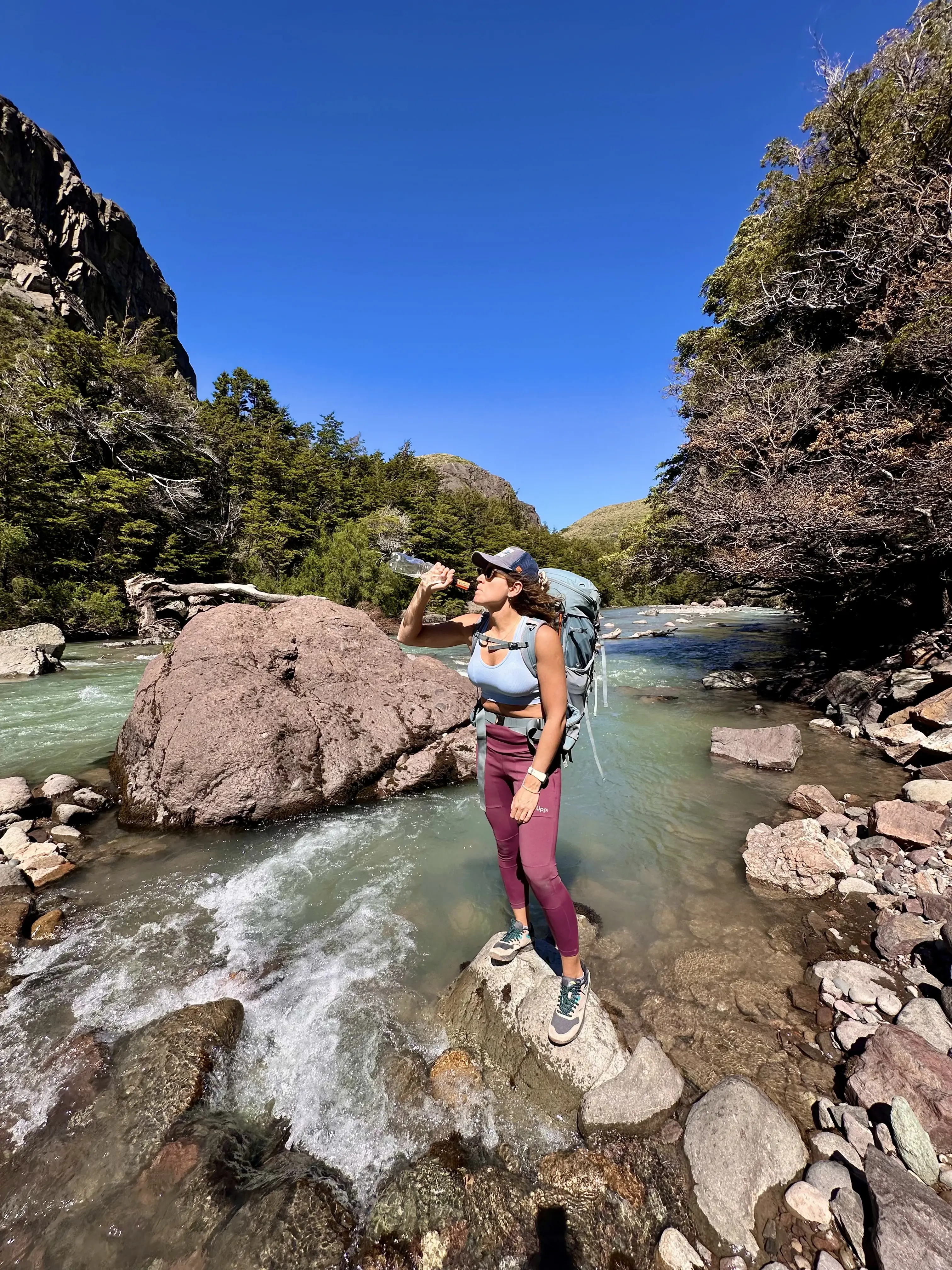
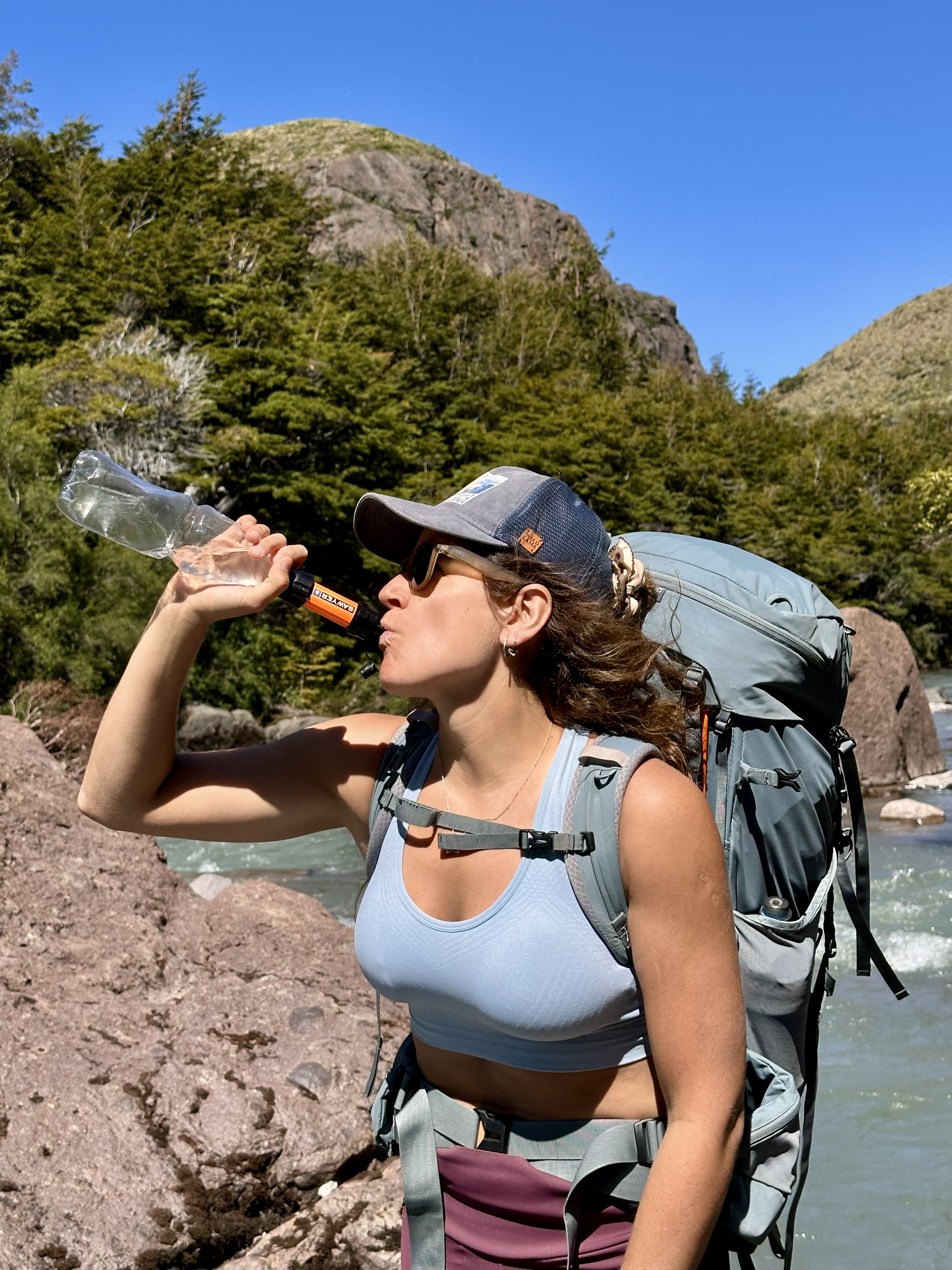
Instead of carrying heavy reserves, I hiked with an almost empty bottle and my filter ready. When I reached a stream, I stopped, filtered, drank, and continued.
No waiting for boiling. No rationing sips. No planning my pace around the next safe water source.
There was one afternoon in Cerro Castillo that confirmed I had made the right choice. After hours crossing uneven forest terrain, we reached a fast-moving glacial river. The water looked clean but carried visible sediment. The wind was strong and temperatures were dropping. In the past, that situation would have meant setting up the stove and losing daylight. Instead, I filtered my water within minutes and kept moving.
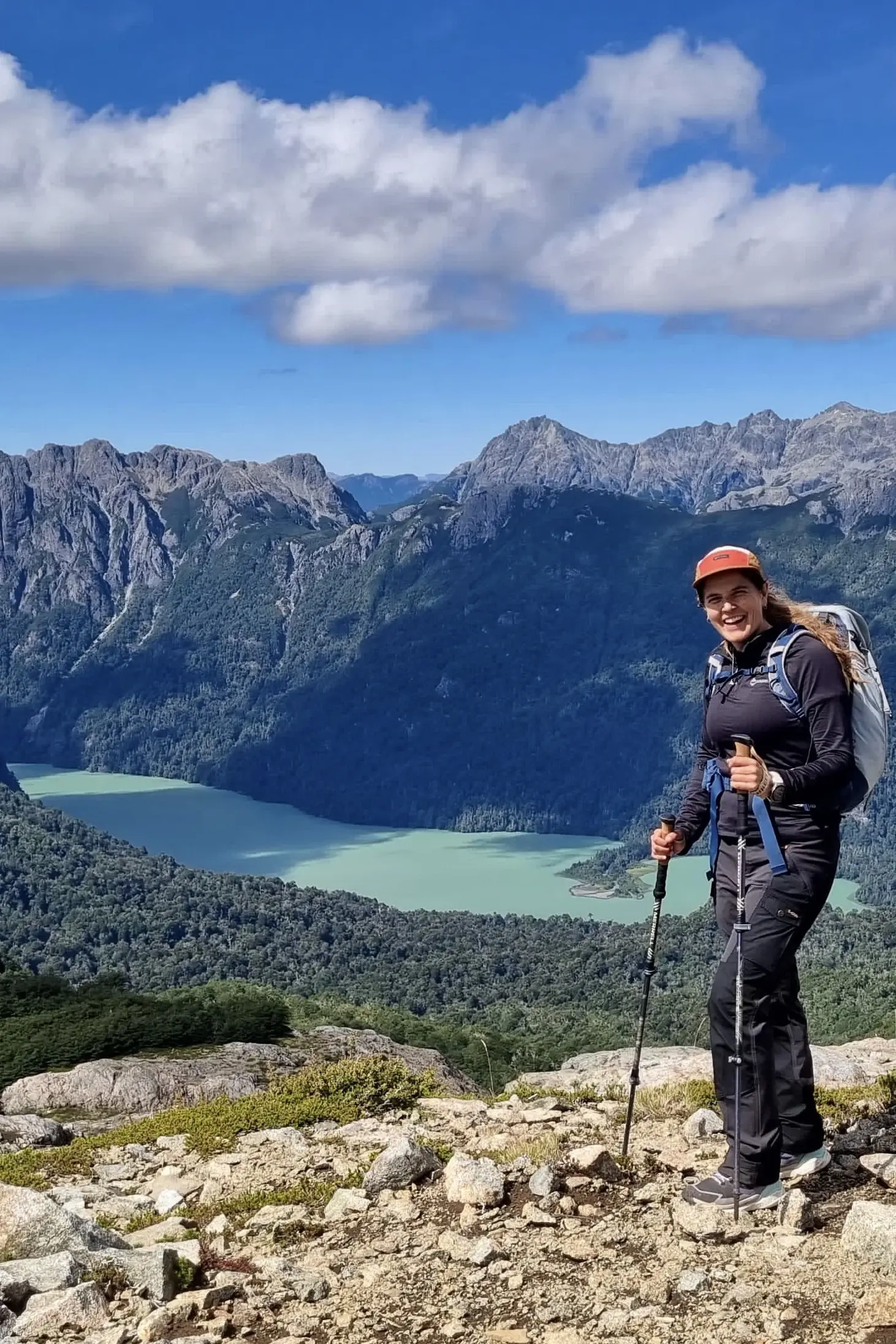
As an athlete, I understand how hydration affects performance. Even mild dehydration impacts endurance and clarity. In Patagonia, cold and wind can mask thirst, so you do not always realize how much fluid you are losing. Being able to drink consistently, without logistical barriers, made me stronger on long days with elevation gain.
Beyond performance, the filter gave me autonomy. In Patagonia, you are responsible for yourself. There are stretches without signal, road access, or immediate help.
Preparation is your safety net.
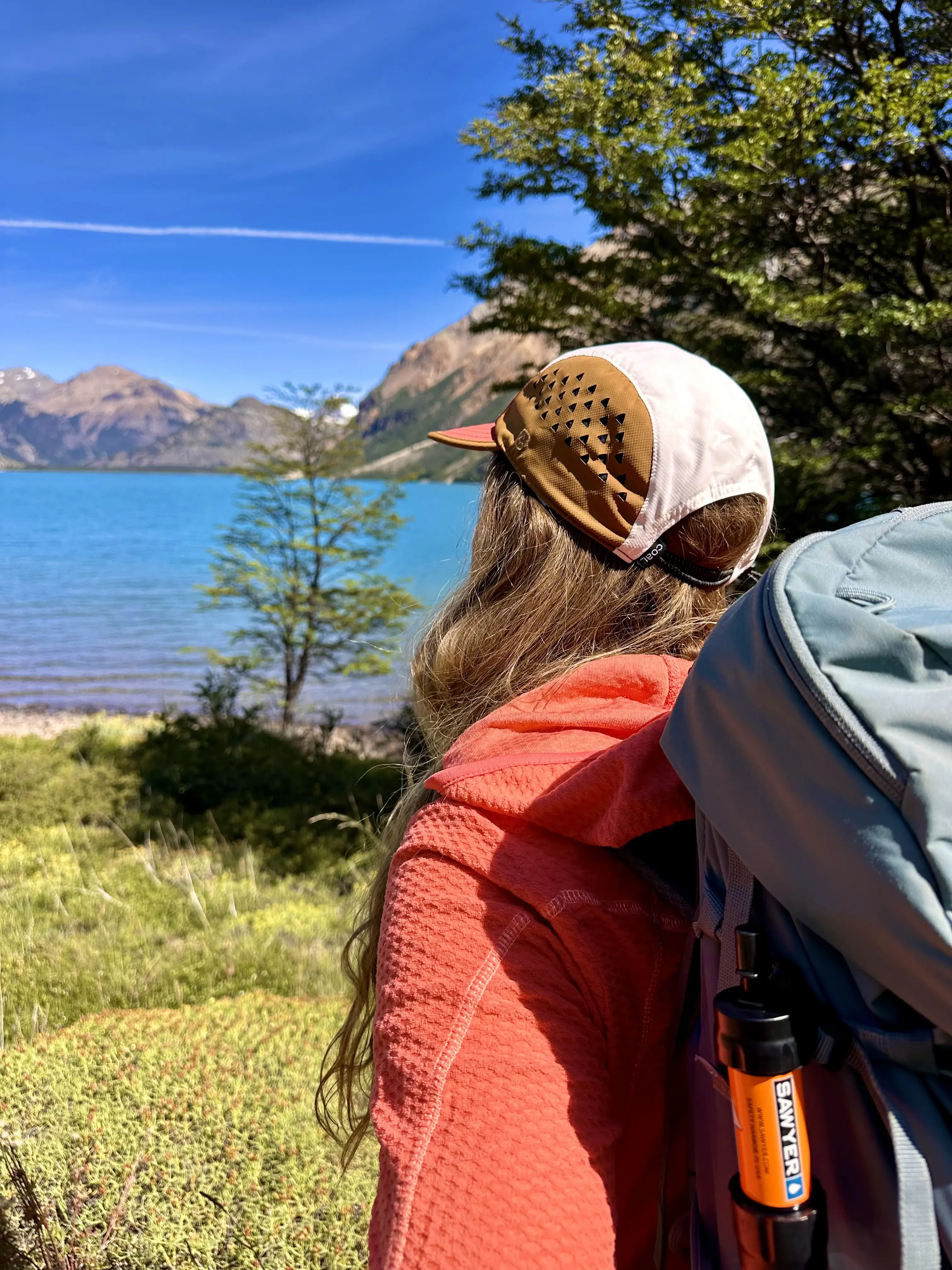
A water filter may seem small, but for me it became essential. It reduced pack weight, protected my health, saved time, and allowed me to move confidently through one of the most powerful landscapes on earth.
In places like Patagonia, small decisions determine whether you simply survive the trail or truly experience it.

On January 16th, 2026, I began a new expedition with my sister through Southern Chile's Patagonia region. The year before, we had explored the northern region together. This time, our challenge was different: the Las Horquetas traverse in Cerro Castillo National Park and several remote trails in Patagonia National Park. Both routes required carrying everything on our backs for some days.
No refuge, no shortcuts: just us, our gear, and the terrain ahead.
When you commit to multi-day trekking in Patagonia, weight becomes an obsession. I weighed every pound I packed. Because when you climb steep passes or descend loose scree for hours, even small excess weight becomes noticeable and exhausting over time.
Shelter, sleeping bag, food, stove, and layers for unpredictable weather — each item had to justify its place.
In December, I had walked 75 kilometers in Torres del Paine National Park without a water filter. That decision cost me time and energy. Every afternoon, already exhausted, I had to collect river water, boil it, wait for it to cool, and then refill my hydration system for the next day. Sometimes that meant descending from camp back to a river and climbing up again. It was draining physically and mentally.
This year, I refused to repeat that mistake. I brought a Sawyer water filter from the very beginning.
Patagonia is full of water. Glacial rivers flow in impossible shades of turquoise. Streams cross the trail constantly. Lakes reflect granite peaks like mirrors. At first glance, it feels like the purest place on earth.
But clarity is not the same as safety.
Glacial erosion carries fine sediment and minerals. Wildlife moves freely upstream. On some sections of the Las Horquetas trail, rodents are common near campsites. Animal contamination, even in remote areas, is real. Drinking untreated water in isolated terrain is a risk I am not willing to take (I am not sure if this part should go or not). Getting sick there would not just ruin the experience; it could become a serious logistical problem.
Before leaving, I always study the route carefully and identify water access points along the trail. When you don’t carry a filter, you are forced to start each day with multiple liters already in your pack. That extra weight strains your knees, hips, and lower back, especially during long ascents.
With a filter, everything changes.
You can walk lighter and refill when needed; that freedom was transformative.
Instead of carrying heavy reserves, I hiked with an almost empty bottle and my filter ready. When I reached a stream, I stopped, filtered, drank, and continued.
No waiting for boiling. No rationing sips. No planning my pace around the next safe water source.
There was one afternoon in Cerro Castillo that confirmed I had made the right choice. After hours crossing uneven forest terrain, we reached a fast-moving glacial river. The water looked clean but carried visible sediment. The wind was strong and temperatures were dropping. In the past, that situation would have meant setting up the stove and losing daylight. Instead, I filtered my water within minutes and kept moving.
As an athlete, I understand how hydration affects performance. Even mild dehydration impacts endurance and clarity. In Patagonia, cold and wind can mask thirst, so you do not always realize how much fluid you are losing. Being able to drink consistently, without logistical barriers, made me stronger on long days with elevation gain.
Beyond performance, the filter gave me autonomy. In Patagonia, you are responsible for yourself. There are stretches without signal, road access, or immediate help.
Preparation is your safety net.
A water filter may seem small, but for me it became essential. It reduced pack weight, protected my health, saved time, and allowed me to move confidently through one of the most powerful landscapes on earth.
In places like Patagonia, small decisions determine whether you simply survive the trail or truly experience it.
On January 16th, 2026, I began a new expedition with my sister through Southern Chile's Patagonia region. The year before, we had explored the northern region together. This time, our challenge was different: the Las Horquetas traverse in Cerro Castillo National Park and several remote trails in Patagonia National Park. Both routes required carrying everything on our backs for some days.
No refuge, no shortcuts: just us, our gear, and the terrain ahead.
When you commit to multi-day trekking in Patagonia, weight becomes an obsession. I weighed every pound I packed. Because when you climb steep passes or descend loose scree for hours, even small excess weight becomes noticeable and exhausting over time.
Shelter, sleeping bag, food, stove, and layers for unpredictable weather — each item had to justify its place.
In December, I had walked 75 kilometers in Torres del Paine National Park without a water filter. That decision cost me time and energy. Every afternoon, already exhausted, I had to collect river water, boil it, wait for it to cool, and then refill my hydration system for the next day. Sometimes that meant descending from camp back to a river and climbing up again. It was draining physically and mentally.
This year, I refused to repeat that mistake. I brought a Sawyer water filter from the very beginning.
Patagonia is full of water. Glacial rivers flow in impossible shades of turquoise. Streams cross the trail constantly. Lakes reflect granite peaks like mirrors. At first glance, it feels like the purest place on earth.
But clarity is not the same as safety.
Glacial erosion carries fine sediment and minerals. Wildlife moves freely upstream. On some sections of the Las Horquetas trail, rodents are common near campsites. Animal contamination, even in remote areas, is real. Drinking untreated water in isolated terrain is a risk I am not willing to take (I am not sure if this part should go or not). Getting sick there would not just ruin the experience; it could become a serious logistical problem.
Before leaving, I always study the route carefully and identify water access points along the trail. When you don’t carry a filter, you are forced to start each day with multiple liters already in your pack. That extra weight strains your knees, hips, and lower back, especially during long ascents.
With a filter, everything changes.
You can walk lighter and refill when needed; that freedom was transformative.
Instead of carrying heavy reserves, I hiked with an almost empty bottle and my filter ready. When I reached a stream, I stopped, filtered, drank, and continued.
No waiting for boiling. No rationing sips. No planning my pace around the next safe water source.
There was one afternoon in Cerro Castillo that confirmed I had made the right choice. After hours crossing uneven forest terrain, we reached a fast-moving glacial river. The water looked clean but carried visible sediment. The wind was strong and temperatures were dropping. In the past, that situation would have meant setting up the stove and losing daylight. Instead, I filtered my water within minutes and kept moving.
As an athlete, I understand how hydration affects performance. Even mild dehydration impacts endurance and clarity. In Patagonia, cold and wind can mask thirst, so you do not always realize how much fluid you are losing. Being able to drink consistently, without logistical barriers, made me stronger on long days with elevation gain.
Beyond performance, the filter gave me autonomy. In Patagonia, you are responsible for yourself. There are stretches without signal, road access, or immediate help.
Preparation is your safety net.
A water filter may seem small, but for me it became essential. It reduced pack weight, protected my health, saved time, and allowed me to move confidently through one of the most powerful landscapes on earth.
In places like Patagonia, small decisions determine whether you simply survive the trail or truly experience it.
아웃도어 기업 그 이상.

