







인스타그램 팔로우하기
아웃도어 기업 그 이상.

쏘이어프로덕트
Follow us on Instagram










The 5 best bug sprays and repellents, for fending off mosquitos, ticks, and other bothersome insects
Watch videoBug spray isn't always the first thing you think of when deciding what to pack for a camping or backpacking trip. Despite being often overlooked, it's a vital addition to anyone's pack (along with general mosquito repellents) — dealing with swarming bugs or mosquito bites is never an enjoyable way to spend time outdoors.
DEET (diethyltoluamide) remains the most popular bug spray ingredient due to its effectiveness at protecting from ticks, mosquitos, other bugs, and all the diseases they carry. Decades of research prove DEET to be the best for protecting humans from these bugs, though it is toxic to aquatic creatures like fish.
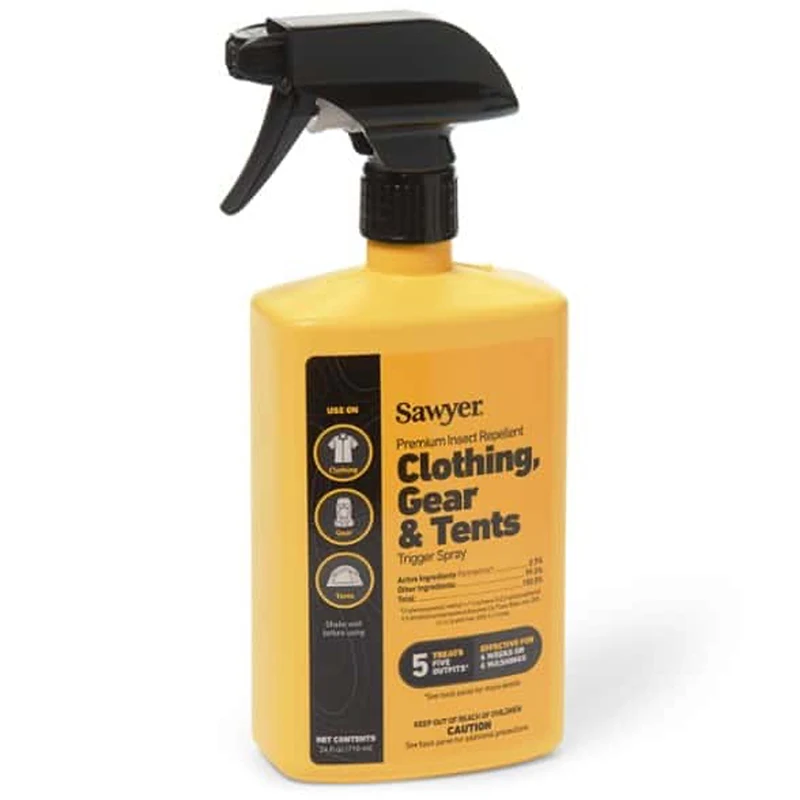
Worthwhile alternatives to DEET are either picaridin and permethrin, both of which are less toxic and likely just as effective at repelling bugs. However, the scientific community is still testing these alternatives, so DEET remains king.
And while chemical bug sprays may or may not harm you or the flora and fauna you encounter, they're highly toxic to many aquatic animals, can trash your clothes, and often smell terrible. Some people are even allergic.
For anyone sensitive to DEET or other chemical bug sprays, I've found a few eco-friendly picks that won't hurt you or the environment as much as other sprays. Just know that DEET and picaridin are still the most effective at repelling dangerous ticks and mosquitos.
A note to parents: The nonprofit Environmental Working Group (EWG) does not recommend using any bug spray on children under six months of age but suggests treating clothes with permethrin. After a child reaches six months, picaridin is the safest choice.
Head here for the full article written by Owen Burke.


Bug spray isn't always the first thing you think of when deciding what to pack for a camping or backpacking trip. Despite being often overlooked, it's a vital addition to anyone's pack (along with general mosquito repellents) — dealing with swarming bugs or mosquito bites is never an enjoyable way to spend time outdoors.
DEET (diethyltoluamide) remains the most popular bug spray ingredient due to its effectiveness at protecting from ticks, mosquitos, other bugs, and all the diseases they carry. Decades of research prove DEET to be the best for protecting humans from these bugs, though it is toxic to aquatic creatures like fish.
Worthwhile alternatives to DEET are either picaridin and permethrin, both of which are less toxic and likely just as effective at repelling bugs. However, the scientific community is still testing these alternatives, so DEET remains king.
And while chemical bug sprays may or may not harm you or the flora and fauna you encounter, they're highly toxic to many aquatic animals, can trash your clothes, and often smell terrible. Some people are even allergic.
For anyone sensitive to DEET or other chemical bug sprays, I've found a few eco-friendly picks that won't hurt you or the environment as much as other sprays. Just know that DEET and picaridin are still the most effective at repelling dangerous ticks and mosquitos.
A note to parents: The nonprofit Environmental Working Group (EWG) does not recommend using any bug spray on children under six months of age but suggests treating clothes with permethrin. After a child reaches six months, picaridin is the safest choice.
Head here for the full article written by Owen Burke.
Bug spray isn't always the first thing you think of when deciding what to pack for a camping or backpacking trip. Despite being often overlooked, it's a vital addition to anyone's pack (along with general mosquito repellents) — dealing with swarming bugs or mosquito bites is never an enjoyable way to spend time outdoors.
DEET (diethyltoluamide) remains the most popular bug spray ingredient due to its effectiveness at protecting from ticks, mosquitos, other bugs, and all the diseases they carry. Decades of research prove DEET to be the best for protecting humans from these bugs, though it is toxic to aquatic creatures like fish.
Worthwhile alternatives to DEET are either picaridin and permethrin, both of which are less toxic and likely just as effective at repelling bugs. However, the scientific community is still testing these alternatives, so DEET remains king.
And while chemical bug sprays may or may not harm you or the flora and fauna you encounter, they're highly toxic to many aquatic animals, can trash your clothes, and often smell terrible. Some people are even allergic.
For anyone sensitive to DEET or other chemical bug sprays, I've found a few eco-friendly picks that won't hurt you or the environment as much as other sprays. Just know that DEET and picaridin are still the most effective at repelling dangerous ticks and mosquitos.
A note to parents: The nonprofit Environmental Working Group (EWG) does not recommend using any bug spray on children under six months of age but suggests treating clothes with permethrin. After a child reaches six months, picaridin is the safest choice.
Head here for the full article written by Owen Burke.
아웃도어 기업 그 이상.

